



Rectangle Device Anti-reflective Display Cover Glass
Description
Technical Parameters
Anti-reflective Glass
What is Anti-reflective Glass
?
Anti-reflective (AR) glass is a high-performance optical glass engineered with specialized thin-film coatings to address the reflection issue of conventional glass. By applying multiple nanometer-thick dielectric layers (such as silica and titanium dioxide) via vacuum deposition or sputtering, it leverages light interference principles to cancel out reflected light waves, drastically reducing surface reflection from the standard 8% (4% per side) to ≤1% while boosting light transmittance to ≥95% (up to 99.5%). Beyond superior optical performance, this treatment enhances the glass's scratch resistance and durability, making it suitable for harsh industrial and commercial environments. Widely used in B2B sectors, AR glass is a core component in electronic displays (LCD/OLED screens, touch panels), architectural facades (museum showcases, retail windows), optical instruments (medical devices, camera lenses), and automotive infotainment systems. It eliminates glare, preserves true color reproduction, and improves visual clarity even in bright conditions, delivering tangible value for high-end products and projects where uncompromised visibility is critical.
Advantage of Anti-reflective Glass
Anti-reflective (AR) glass stands out as a high-performance optical material due to its multi-dimensional advantages that address core pain points of conventional glass across commercial, industrial, and consumer scenarios. Its most prominent strength lies in superior optical performance: by reducing surface reflection from the standard 8% to ≤1% (even as low as 0.1%) and boosting light transmittance to ≥95% (up to 99.5%), it eliminates annoying glare caused by ambient light, whether sunlight, indoor lighting, or screen reflections. This ensures uncompromised visual clarity-colors remain true-to-life without distortion, details are sharply rendered, and visibility remains consistent even in bright environments, making it indispensable for electronic displays (LCD/OLED screens, touch panels), museum showcases, and retail windows where image fidelity is critical.
Beyond optical excellence, AR glass offers enhanced durability and practicality. The specialized dielectric coatings (e.g., silica, titanium dioxide) applied via vacuum deposition or sputtering not only optimize light interaction but also form a protective layer that resists scratches, moisture, and daily wear. Compared to uncoated glass, it maintains performance longer in high-traffic areas, industrial settings, or outdoor applications, reducing maintenance costs and extending service life- a key benefit for architectural facades, automotive displays, and medical instruments that require reliability.
Another significant advantage is its energy-saving and user-friendly properties. In buildings, its high transmittance maximizes natural light penetration, reducing reliance on artificial lighting and cutting energy consumption, aligning with sustainable development trends. For end-users, the elimination of glare minimizes eye strain during prolonged use of electronic devices, such as smartphones, laptops, or navigation systems, enhancing comfort and usability. Additionally, its versatility across industries- from electronics and architecture to optics and automotive- makes it a flexible solution that adapts to diverse functional needs, delivering consistent value in high-end products and projects where uncompromised performance is non-negotiable.

Quality difference
Quality difference between good quality (ours) & bad quality
|
Item |
Our quality |
Bad quality |
|
Toughened |
6H+ |
Easy broken |
|
Edge breakage |
No such problem |
There may teeth exist |
|
Silk print |
Neat and orderly |
Incline, holes, inhomogeneous, lose colour |
|
Surface |
Smooth |
Scratch, white spot and blue shade |
|
Drilling hole |
100% satisfy with tolerance request |
Exceed tolerance may couse problem in assembly |
|
Edge work |
No sharp and can meet all bevel shapes request |
Coarse |
Tempered glass panel flow chart

Application
Medical device
Home appliances
Electronic product
Sports facilities
Ad display
Elevator
Edge treatment

FAQ
Q1: Should glass be tempered and what's the difference between Chemical tempered and Physical tempered?
A: To small size/thickness less than 3.2mm,we recommend chemical tempered.(surface toughen by 6-7H)To bigger size/thickness above 3.2mm, we recommend physical tempered.Base on thermal tempered, the fragmentation test standard / partical sizes & quantity could be set base ondifferent thickness.The glass flatness could be asked after tempering.
Q2: What kind of glass will be used?
A: Lighting We usually use clear / ultra clear float glass for production, depends on customer's need.Cover glass We usually use AGC(Dragontail) for production, but also available in gorilla/NEG etc. base oncustomer's needFurniture glass We usually use high quality flat/bending glass.
Q3: Do you accept small order?
A: Any order quantity is welcome. But some type of products are high cost that not suitable for small order
Q4: Can l get samples and check your Quality?
A: Yes. Contect our sales with detailed Requirements /Drawings, or just an idea or a sketch. We will deliver thesample to you.
Q5: What should l provide to get a quotation?
A: 1.The kind of glass, thickness and size.
2. Drawing of the glass.
3.Requirements in details.
4.Order quantity.
5. Others you think is necessary.
6.Process balance payment and advise us your opinion on safe delivery.
7. Enjoy your order.
Q6: Where is your company? Which port near you? Can l pay a visit?
A: Welcome. Our factories are located in Guangdong China, near to Shenzhen and Guangzhou port. Please letus know if you want to come, we will advise route guidance in details.
Hot Tags: rectangle device anti-reflective display cover glass, China rectangle device anti-reflective display cover glass manufacturers, suppliers
Delivery & Payment

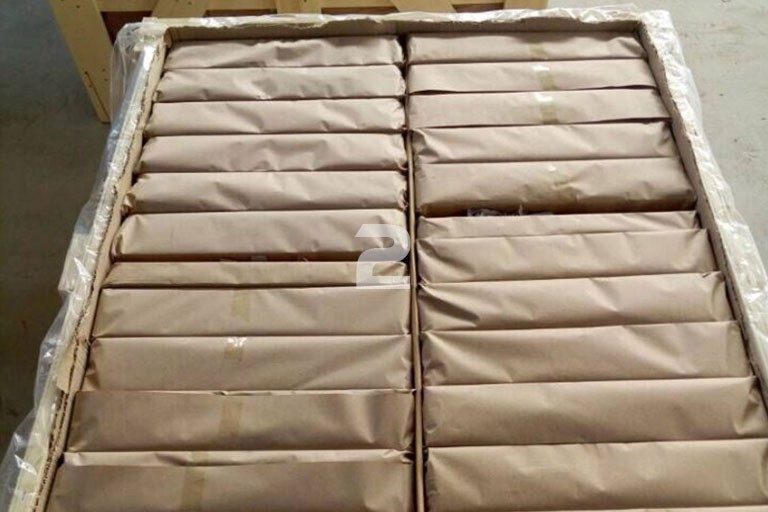


Packaging:
Step 1: PE film coating(Normally) / paper(For seashipment prevent wet).
Step 2: Kraft paper for fixation.
Step 3: Carton for glass safety protection.
Step 4: Custom make plywood case with hinge for custom(fumigation + convenient inspection) convenience.
Step 5: Packing strap for further fixation.
Port
Shenzhen or Hongkong

Previous
GPW FPS Use Gaming Glass Mouse FeetSend Inquiry
You Might Also Like