



FPD Panel AG Coating Anti-glare Display Cover Glass

FPD Panel AG Coating Anti-glare Display Cover Glass suppliers

FPD Panel AG Coating Anti-glare Display Cover Glass factory

FPD Panel AG Coating Anti-glare Display Cover Glass best

FPD Panel AG Coating Anti-glare Display Cover Glass high quality

FPD Panel AG Coating Anti-glare Display Cover Glass price
FPD Panel AG Coating Anti-glare Display Cover Glass
Description
Technical Parameters
FPD Panel Glass
What is FPD Panel Glass
?
FPD Panel Glass (Flat-Panel Display Panel Glass) refers to high-precision, specialized glass substrates designed as the core carrier for flat-panel display (FPD) technologies. It serves as the front cover, backplane, or functional layer for displays including LCD, OLED, Mini/Micro LED, and QLED, providing structural support while enabling optimal optical performance and signal transmission.
Typically made from high-purity aluminosilicate glass or soda-lime glass, it undergoes rigorous processing such as chemical strengthening (ion exchange), precision cutting, and surface polishing. Key properties include ultra-thin profiles (0.3mm–2.0mm), high light transmittance (≥90%, up to 95% with AR coating), exceptional flatness (deviation ≤0.1mm/m), surface hardness ≥6H, and low reflectivity. It also supports functional coatings (AF anti-fingerprint, AG anti-glare) and compatibility with touch-sensing or pixel-driven technologies.
Widely used in consumer electronics (smartphones, TVs, laptops), automotive infotainment systems, industrial monitors, and digital signage, it is a critical component for modern display devices.
Advantage of FPD Panel Glass
Ultra-Low Impurity & High Uniformity: Crafted from high-purity raw materials (aluminosilicate/soda-lime glass with impurity content ≤0.001%), it ensures consistent optical and physical properties across the entire panel. This uniformity eliminates pixel distortion or brightness variations, critical for high-end displays (e.g., 8K TVs, professional monitors) where visual consistency is non-negotiable.
Precision Process Compatibility: Designed to withstand harsh display manufacturing processes (high-temperature annealing, vacuum sputtering, LCD cell assembly), it maintains structural integrity without warping or cracking. Its stable thermal expansion coefficient (3.0–8.0×10⁻⁶/℃) matches display module materials, reducing assembly failures and improving production yields for buyers.
Enhanced Signal Integrity: The glass's low dielectric loss (≤3.8 at 1MHz) minimizes electromagnetic interference (EMI) and signal attenuation, supporting high-speed data transmission for touch-enabled or high-refresh-rate displays (120Hz+/240Hz). This ensures responsive interaction and smooth image rendering, a key advantage for gaming monitors, automotive infotainment systems, and professional equipment.
Sustainable & Cost-Efficient Production: Adopting eco-friendly manufacturing processes (low-energy melting, recyclable glass substrates), it aligns with global carbon neutrality trends. Its high reusability in production (scrap glass recycling rate ≥90%) and long service life (≥10 years for consumer electronics) reduce total ownership costs for buyers, enhancing market competitiveness.
Chemical Resistance & Easy Maintenance: The glass surface resists corrosion from display chemicals (liquid crystals, adhesives) and daily cleaning agents, maintaining performance over time. Unlike plastic alternatives, it does not yellow or degrade under UV exposure, ensuring long-term display clarity-ideal for outdoor digital signage and automotive applications.
Flexible Form Factor Adaptability: Beyond flat designs, it supports curved (bending radius ≥50mm) and foldable (thickness ≤0.5mm) configurations through advanced thinning and strengthening technologies. This caters to emerging device trends (foldable phones, curved automotive displays) and expands buyers' product design possibilities.

Quality difference
Quality difference between good quality (ours) & bad quality
|
Item |
Our quality |
Bad quality |
|
Toughened |
6H+ |
Easy broken |
|
Edge breakage |
No such problem |
There may teeth exist |
|
Silk print |
Neat and orderly |
Incline, holes, inhomogeneous, lose colour |
|
Surface |
Smooth |
Scratch, white spot and blue shade |
|
Drilling hole |
100% satisfy with tolerance request |
Exceed tolerance may couse problem in assembly |
|
Edge work |
No sharp and can meet all bevel shapes request |
Coarse |
Tempered glass panel flow chart

Application
Medical device
Home appliances
Furniture
Electronic product
Sports facilities
Ad display
Elevator
Edge treatment

FAQ
Q1: Should glass be tempered and what's the difference between Chemical tempered and Physical tempered?
A: To small size/thickness less than 3.2mm,we recommend chemical tempered.(surface toughen by 6-7H)To bigger size/thickness above 3.2mm, we recommend physical tempered.Base on thermal tempered, the fragmentation test standard / partical sizes & quantity could be set base ondifferent thickness.The glass flatness could be asked after tempering.
Q2: What kind of glass will be used?
A: Lighting We usually use clear / ultra clear float glass for production, depends on customer's need.Cover glass We usually use AGC(Dragontail) for production, but also available in gorilla/NEG etc. base oncustomer's needFurniture glass We usually use high quality flat/bending glass.
Q3: Do you accept small order?
A: Any order quantity is welcome. But some type of products are high cost that not suitable for small order
Q4: Can l get samples and check your Quality?
A: Yes. Contect our sales with detailed Requirements /Drawings, or just an idea or a sketch. We will deliver thesample to you.
Q5: What should l provide to get a quotation?
A: 1.The kind of glass, thickness and size.
2. Drawing of the glass.
3.Requirements in details.
4.Order quantity.
5. Others you think is necessary.
6.Process balance payment and advise us your opinion on safe delivery.
7. Enjoy your order.
Q6: Where is your company? Which port near you? Can l pay a visit?
A: Welcome. Our factories are located in Guangdong China, near to Shenzhen and Guangzhou port. Please letus know if you want to come, we will advise route guidance in details.
Hot Tags: fpd panel ag coating anti-glare display cover glass, China fpd panel ag coating anti-glare display cover glass manufacturers, suppliers
Delivery & Payment

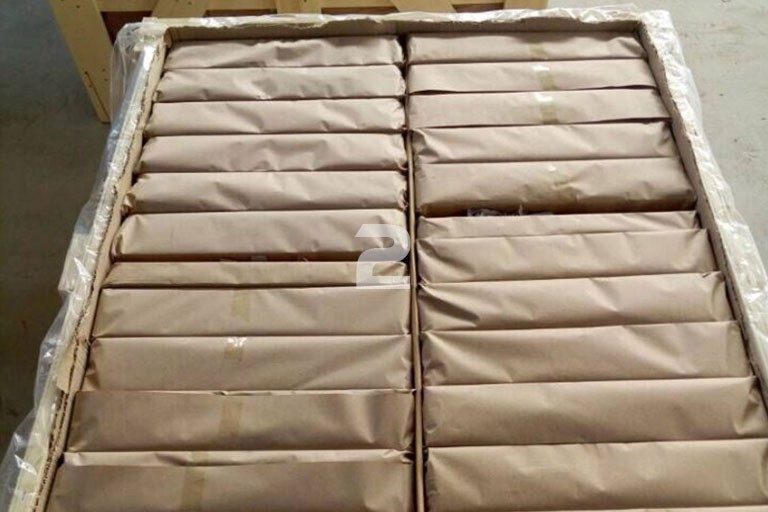


Packaging:
Step 1: PE film coating(Normally) / paper(For seashipment prevent wet).
Step 2: Kraft paper for fixation.
Step 3: Carton for glass safety protection.
Step 4: Custom make plywood case with hinge for custom(fumigation + convenient inspection) convenience.
Step 5: Packing strap for further fixation.
Port
Shenzhen or Hongkong

Send Inquiry
You Might Also Like