



Customized Double-layer Step Display Glass
Description
Technical Parameters
Step Glass
What is Step Glass?
Step glass, also known as stepped cover glass, is a specialized type of cover glass engineered with multi-level, ladder - like hierarchical structures on its surface or edge. Unlike flat cover glass, it features precise height differences between adjacent areas, tailored to the assembly needs of electronic devices.
Its formation relies on high - precision machining technologies such as CNC engraving and laser etching. Manufacturers strictly control the step height tolerance (usually ±0.05 mm) and edge roughness (Ra ≤ 0.05 μm) to ensure seamless fitting with components like sensors, buttons, and circuit boards.
Widely applied in smart home panels, wearable devices, and automotive electronics, step glass optimizes internal space layout, enhances component integration stability, and maintains excellent scratch resistance and light transmittance. As a key component in precision electronics, it balances structural functionality and aesthetic design, meeting the miniaturization and high - performance demands of modern devices.
Advantage of Step Glass
Step glass, as a high-precision electronic component cover material, boasts multiple core advantages tailored to the development needs of modern precision electronics, making it widely favored in smart devices and automotive electronics fields.
1. Precise Structural Adaptability
Its customized stepped hierarchical structure can perfectly match the assembly requirements of components such as sensors, buttons, and circuit boards. With high-precision machining tolerance control (step height tolerance ±0.05mm), it realizes seamless fitting with internal components of devices, avoiding interference between parts and ensuring stable operation of the whole machine.
2. Enhanced Assembly Stability
Compared with flat glass, the stepped structure increases the contact area and positioning points during assembly. It can effectively prevent problems such as displacement and loosening of glass and components caused by vibration or long-term use, improving the overall assembly firmness and service life of electronic products.
3. Excellent Performance Integration
While maintaining the inherent high light transmittance (≥90%) and scratch resistance of cover glass, it can integrate functional processing such as anti-reflection coating and touch sensing on different stepped surfaces. This integrated design reduces the number of component layers, simplifies the production process, and lowers overall costs.
4. Optimized Space Utilization
The multi-level stepped design makes full use of the internal vertical space of the device, helping to achieve the miniaturization and thinning of electronic products. It is particularly suitable for wearable devices, smart home control panels and other products that have strict requirements on volume and thickness.
5. Superior Aesthetic And Texture
The smooth transition of the stepped structure and the high-precision edge processing (Ra ≤ 0.05μm) create a three-dimensional and hierarchical visual effect. It can be matched with different surface treatments such as matte and glossy, enhancing the product's high-end texture and market competitiveness.

Quality difference
Quality difference between good quality (ours) & bad quality
|
Item |
Our quality |
Bad quality |
|
Toughened |
6H+ |
Easy broken |
|
Edge breakage |
No such problem |
There may teeth exist |
|
Silk print |
Neat and orderly |
Incline, holes, inhomogeneous, lose colour |
|
Surface |
Smooth |
Scratch, white spot and blue shade |
|
Drilling hole |
100% satisfy with tolerance request |
Exceed tolerance may couse problem in assembly |
|
Edge work |
No sharp and can meet all bevel shapes request |
Coarse |
Tempered glass panel flow chart

Application
Medical device
Home appliances
Furniture
Electronic product
Sports facilities
Ad display
Edge treatment

FAQ
Q1: Should glass be tempered and what's the difference between Chemical tempered and Physical tempered?
A: To small size/thickness less than 3.2mm,we recommend chemical tempered.(surface toughen by 6-7H)To bigger size/thickness above 3.2mm, we recommend physical tempered.Base on thermal tempered, the fragmentation test standard / partical sizes & quantity could be set base ondifferent thickness.The glass flatness could be asked after tempering.
Q2: What kind of glass will be used?
A: Lighting We usually use clear / ultra clear float glass for production, depends on customer's need.Cover glass We usually use AGC(Dragontail) for production, but also available in gorilla/NEG etc. base oncustomer's needFurniture glass We usually use high quality flat/bending glass.
Q3: Do you accept small order?
A: Any order quantity is welcome. But some type of products are high cost that not suitable for small order
Q4: Can l get samples and check your Quality?
A: Yes. Contect our sales with detailed Requirements /Drawings, or just an idea or a sketch. We will deliver thesample to you.
Q5: What should l provide to get a quotation?
A: 1.The kind of glass, thickness and size.
2. Drawing of the glass.
3.Requirements in details.
4.Order quantity.
5. Others you think is necessary.
6.Process balance payment and advise us your opinion on safe delivery.
7. Enjoy your order.
Q6: Where is your company? Which port near you? Can l pay a visit?
A: Welcome. Our factories are located in Guangdong China, near to Shenzhen and Guangzhou port. Please letus know if you want to come, we will advise route guidance in details.
Hot Tags: customized double-layer step display glass, China customized double-layer step display glass manufacturers, suppliers
Delivery & Payment

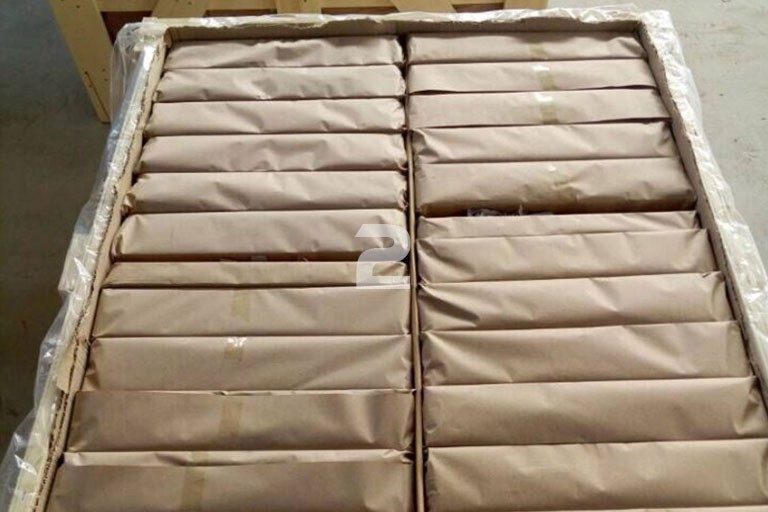


Packaging:
Step 1: PE film coating(Normally) / paper(For seashipment prevent wet).
Step 2: Kraft paper for fixation.
Step 3: Carton for glass safety protection.
Step 4: Custom make plywood case with hinge for custom(fumigation + convenient inspection) convenience.
Step 5: Packing strap for further fixation.
Port
Shenzhen or Hongkong

Send Inquiry
You Might Also Like